L
wlpcreates....

Character Costuming

Experience

My theatre experience began in 8th grade with minor hair design for Charlie and the Chocolate Factory. After a Covid hiatus, I returned as Stage Manager and Head of Costume, Makeup, Set, and Props for Suessical Jr in my senior year.

At UWA, I volunteered with the UWA Theatre Company, consulting on two student-directed plays and designing makeup in the fall of my freshman year

In my sophomore year, I was Head of Costume, Hair, and Makeup for Kodachrome and later costumed a drag version of Romeo and Juliet, creating wigs and body padding.

As a junior, I continue to lead in Costume, Hair, and Makeup Design, having costumed four plays in the fall and our spring production of Business Ideas, where distinct costumes were essential for actors doubling up on roles.

Self taught or trained?
I have never received class credit or formal training in Costume, Hair, or Makeup Design; all my knowledge has come from self-directed learning and online resources.
Costume building?
I have explored the art of costume building, which differs significantly from costume design. Costume building involves crafting patterns and constructing costumes from the ground up, while costume design focuses on selecting and arranging existing pieces to create a cohesive final look.
Favorite costume to date?
So far, the costumes I have enjoyed assembling the most are a tie between the Grave Digger from Kodachrome and Jacklyn from Dead.

How It Works

1. Read the Script

Costumers need to be as familiar with the script as the actors and directors, as the authenticity of character dressing hinges on a deep understanding of both the written characterization and the actor’s interpretation. To facilitate this process, I employ a color-coding system for my scripts, assigning specific colors to different elements such as costume details, personality traits, physical attributes, age, and more.

2. Sketch/Plan it out

Different characters necessitate various approaches to planning. For instance, in our production of Spotlight, I tied the characters to the ensemble of ‘Friends’. In that particular production, I created a few sketches and developed a few mood boards. Conversely, in our production of Business Ideas, every detail was meticulously sketched out. The approach to designing costumes ultimately hinges on the vision of the costumer.

3. Try & Revise

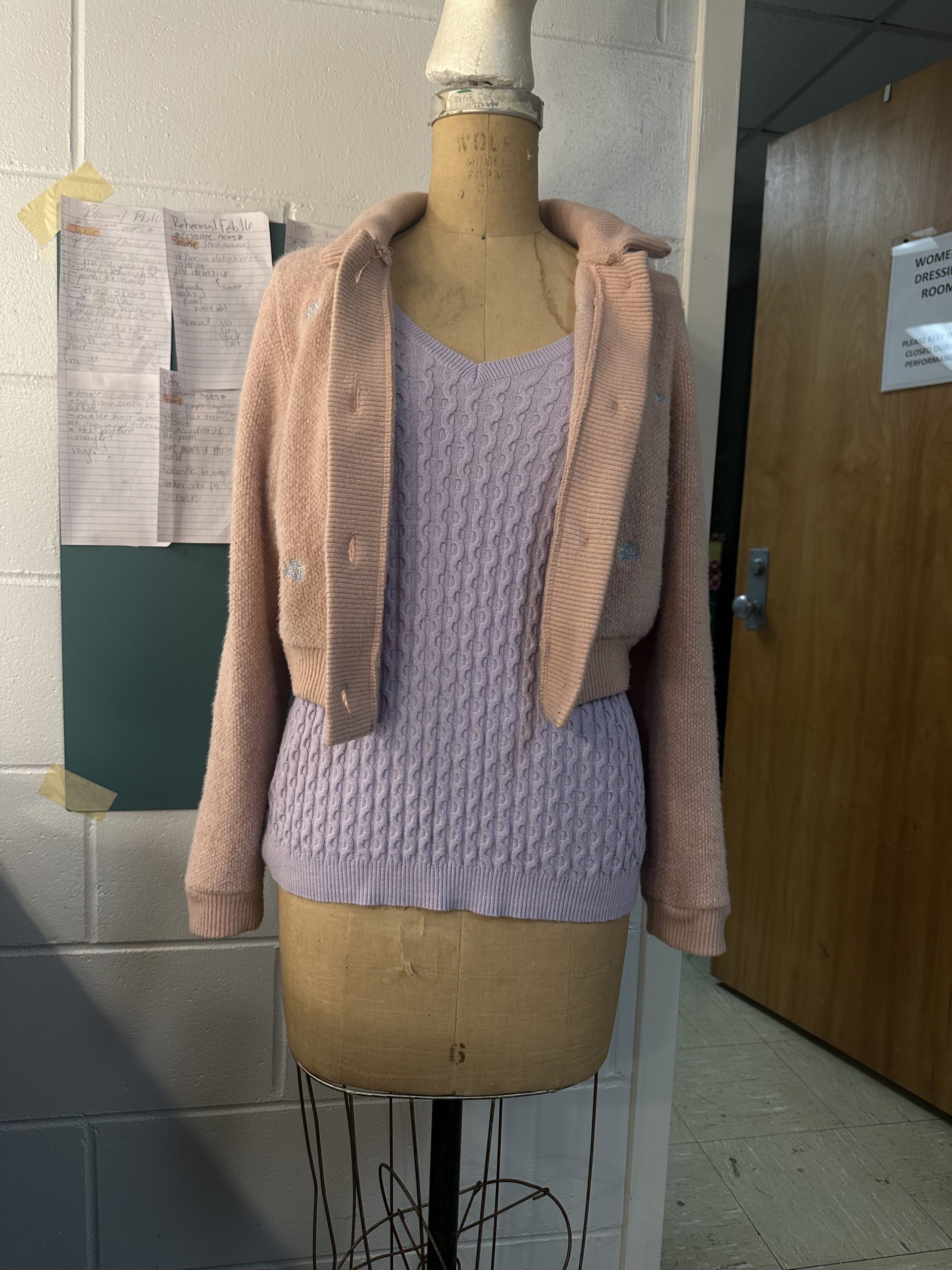
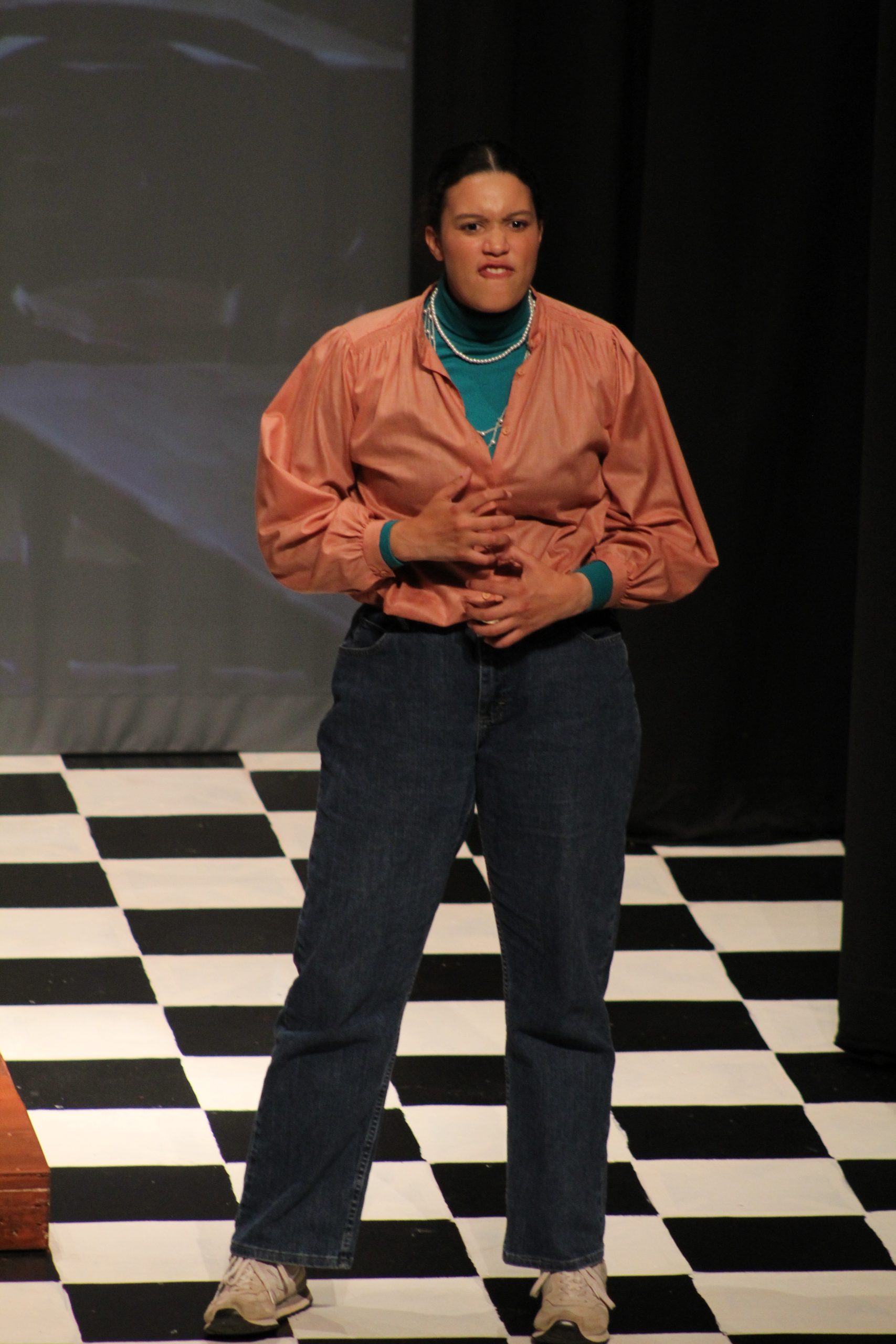
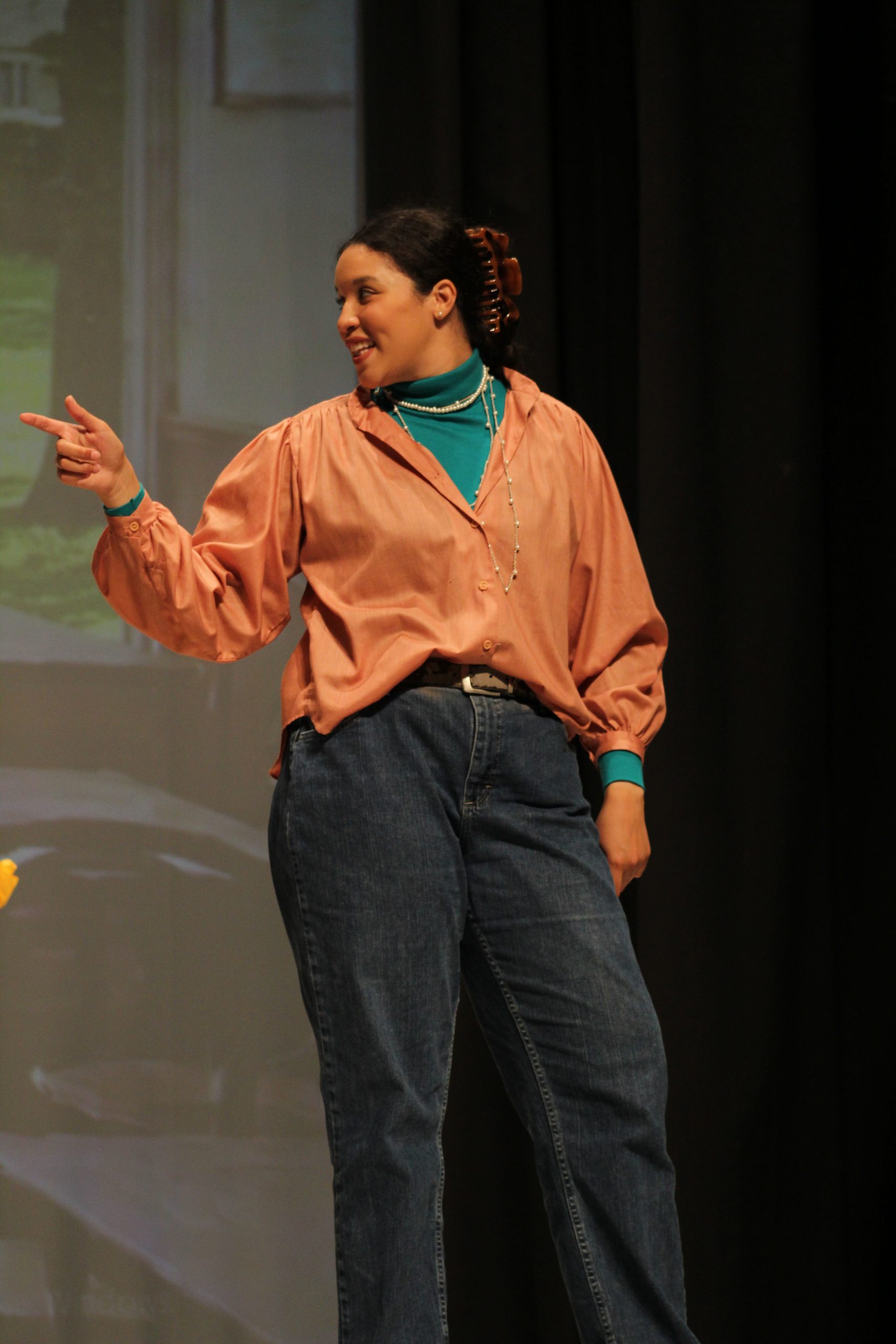
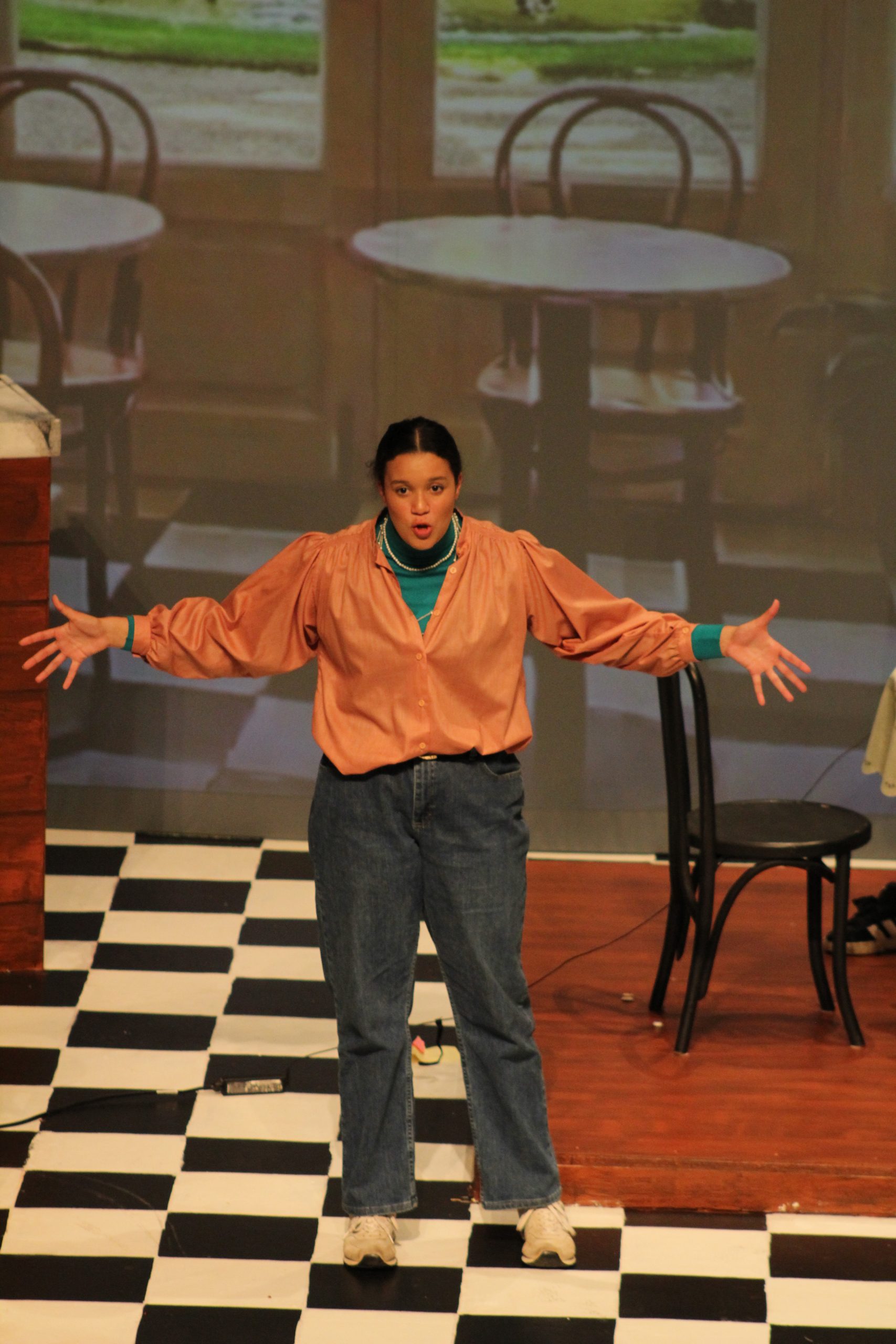
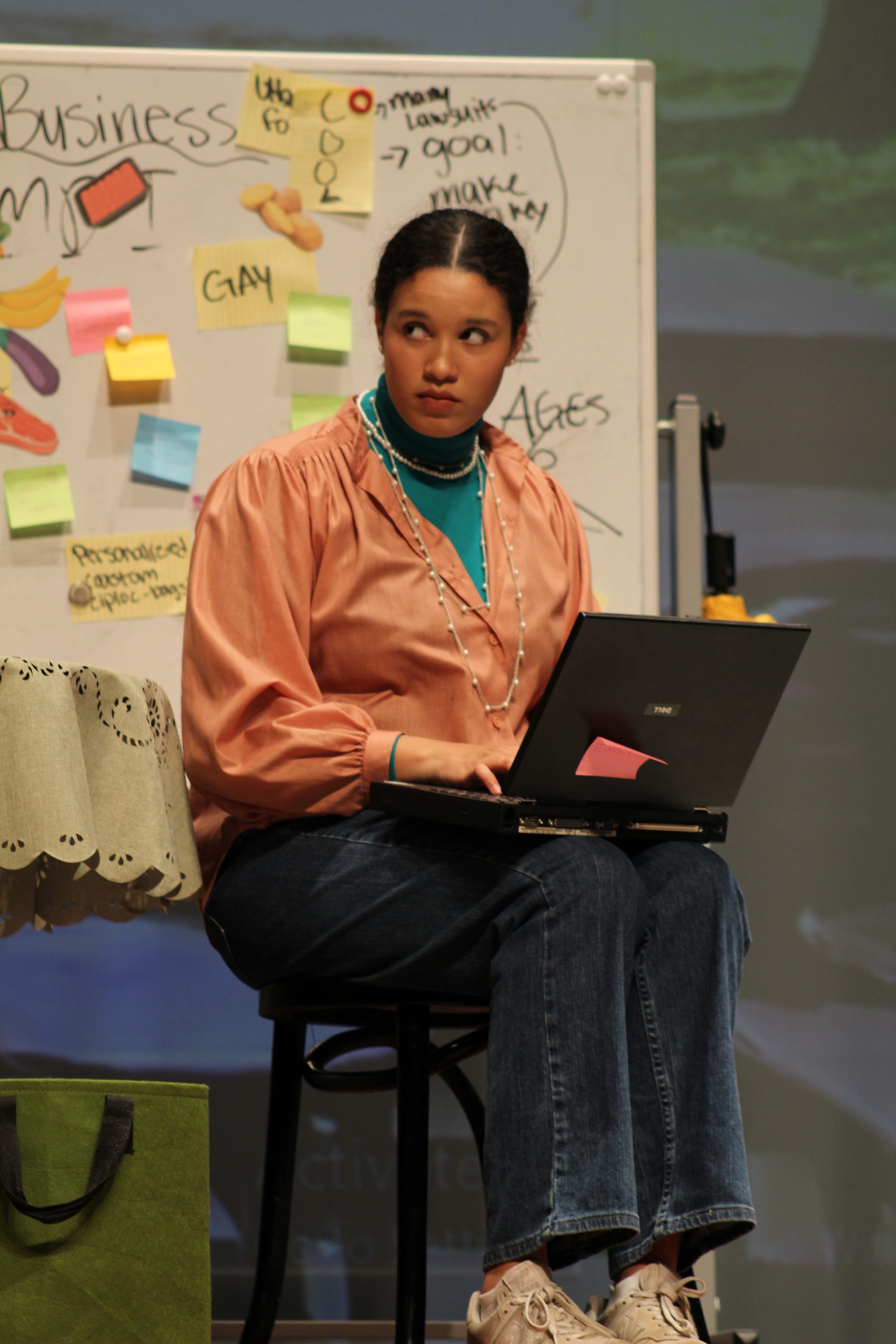
Just as you would try on a prom dress before making a purchase, actors must also try on their costumes before receiving the go-ahead from the director. The image to the left showcases the final version of a costume, which emerged as the best choice from multiple different designs.

Some costumes differ significantly from the original sketch, with  few elements retained. A costume’s appearance can shift based on what suits the actor and the ensemble as a whole, as well as what materials are available and how it harmonizes with the rest of the cast and the set’s decorations.

4. Costume Parade

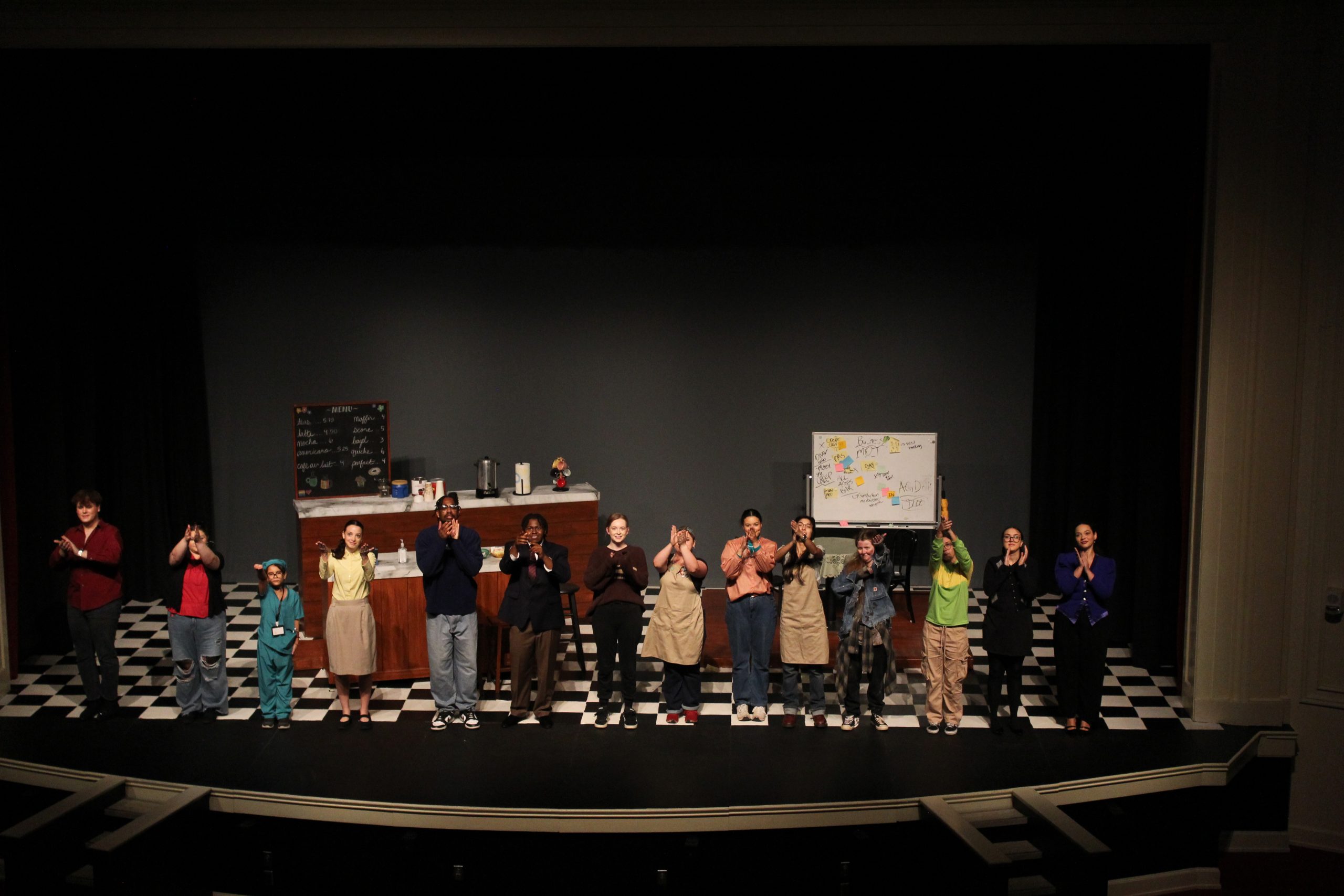
A costume parade marks the final stage in the costuming process. During this event, all actors take the stage in their full costumes, quickly performing a few lines and showcasing any significant movements they have rehearsed. Following this, the actors gather on stage to assess how well their costumes work together as a cohesive ensemble. While the costumes do not need to match perfectly, they must complement one another visually. Additionally, actors portraying characters that are meant to be distinctly different should not resemble each other at all, and the same principle applies in reverse.

Original Sketch for Georgina (Business Ideas)

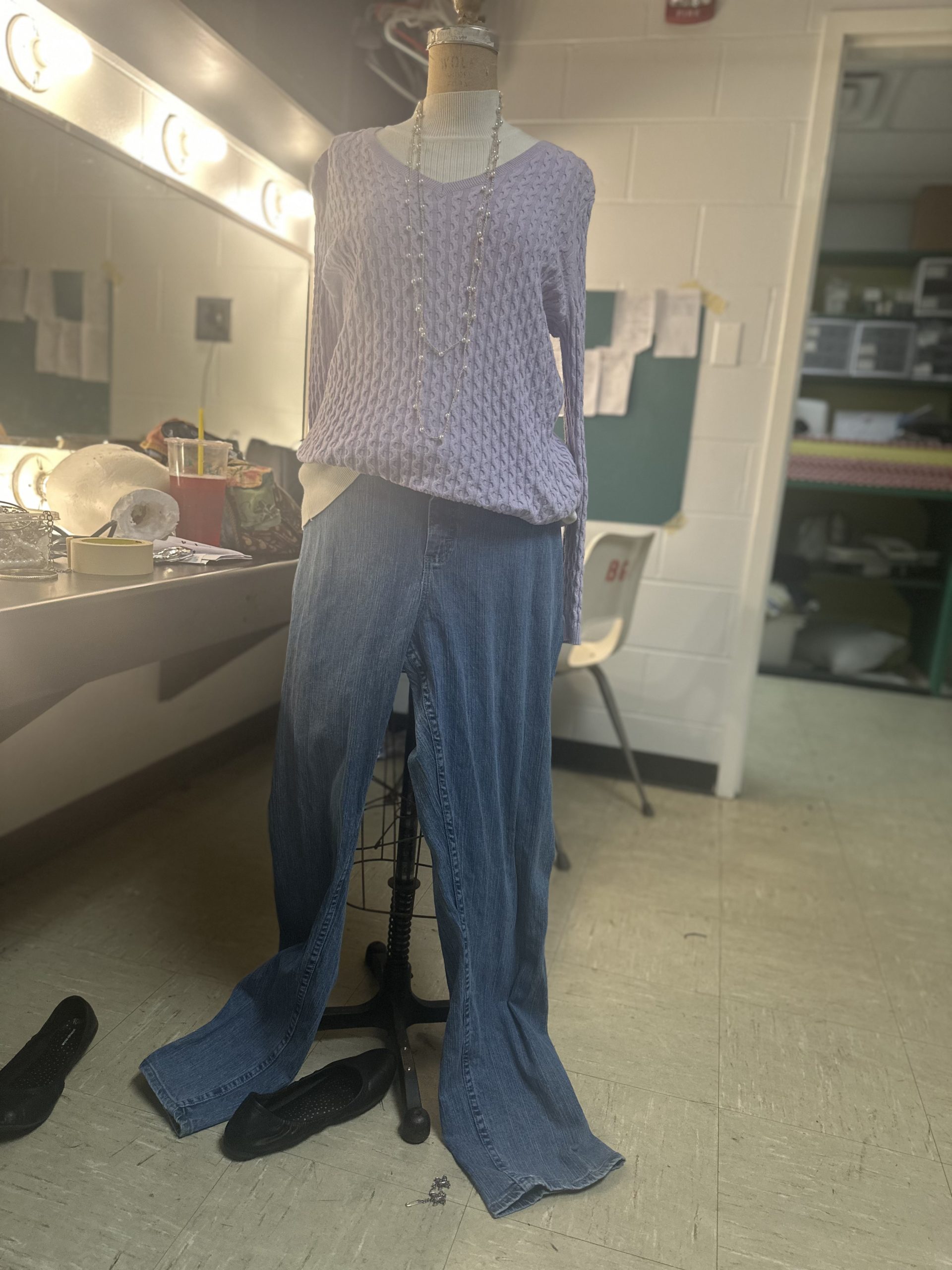
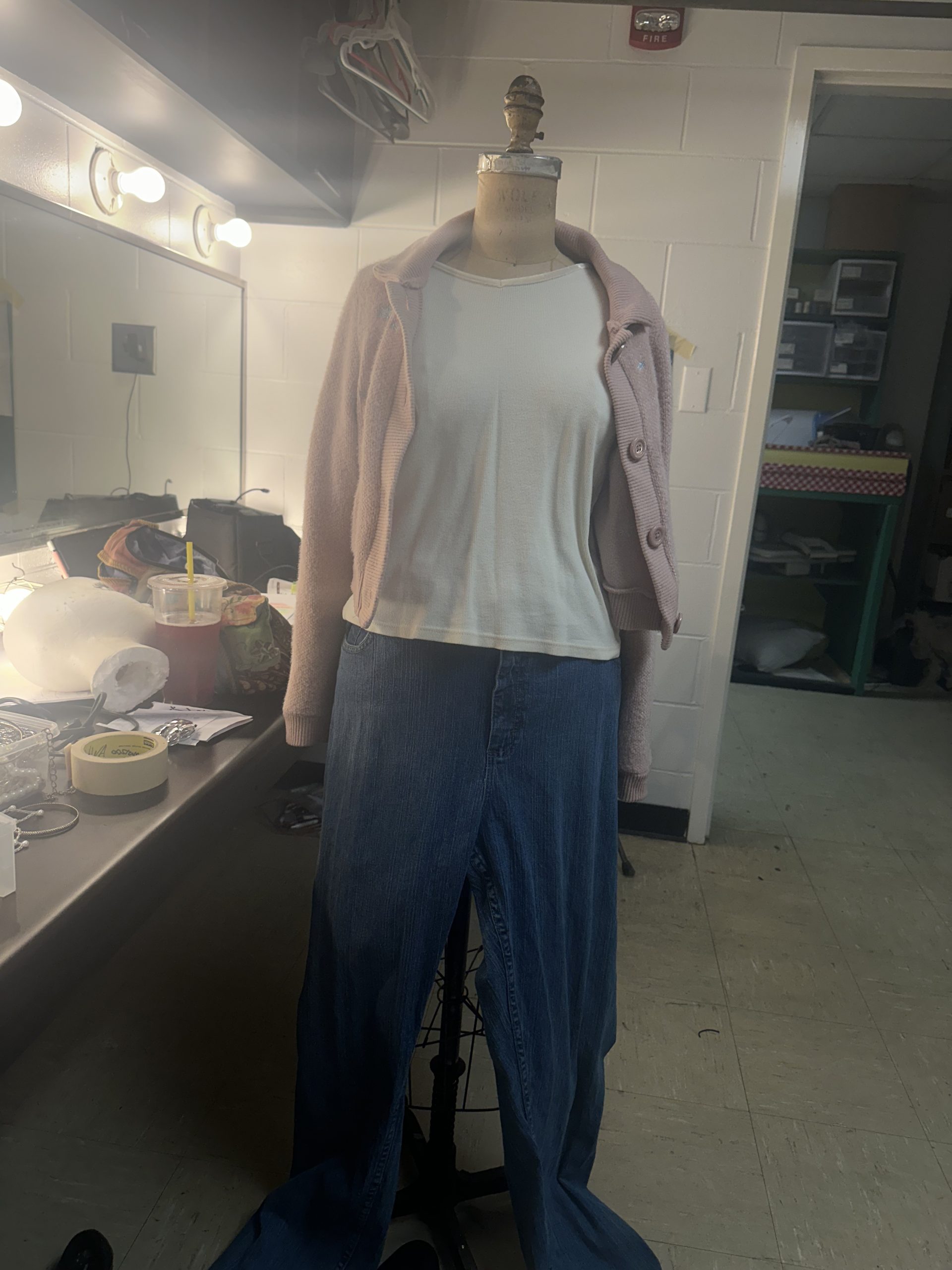
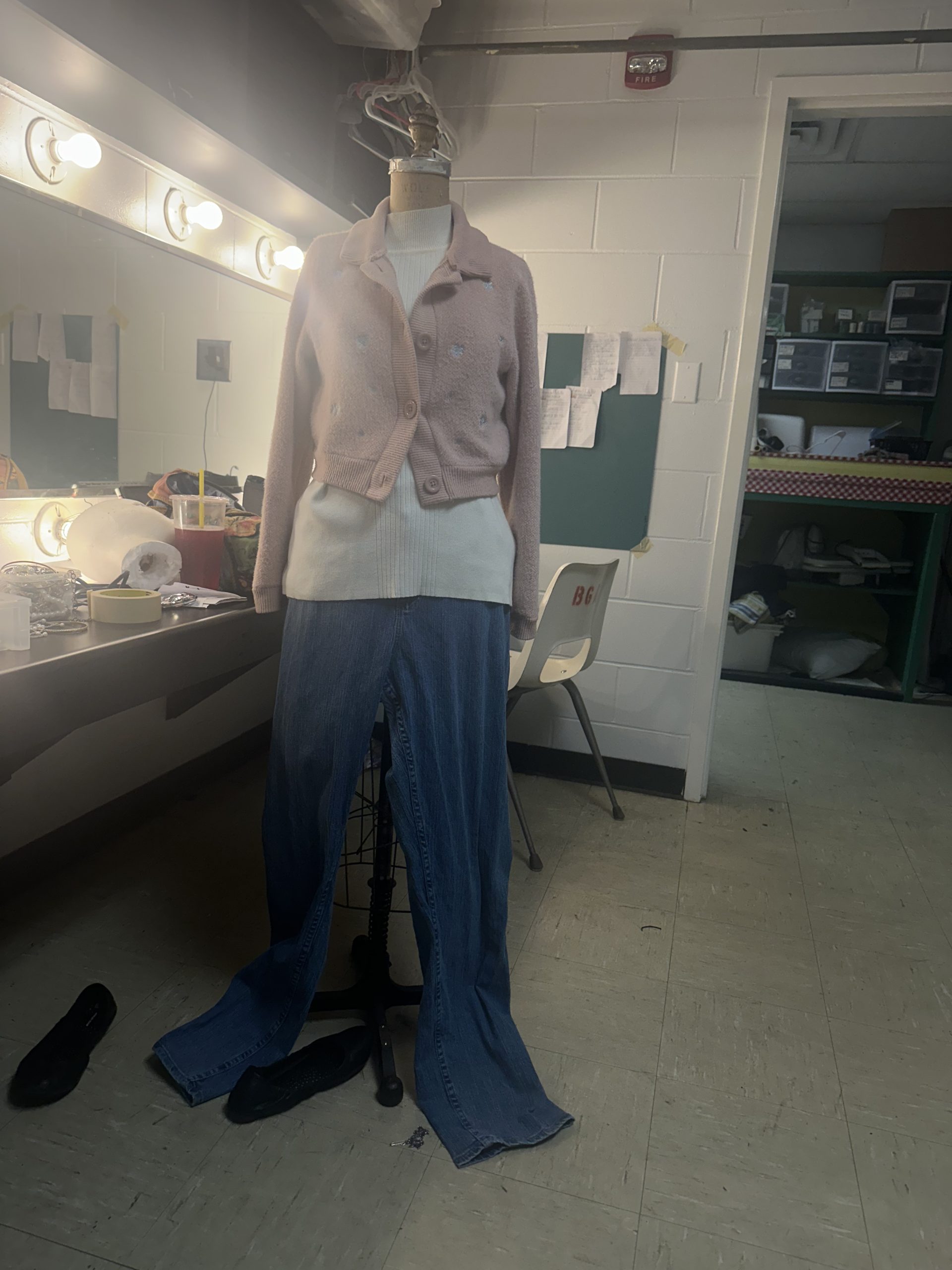
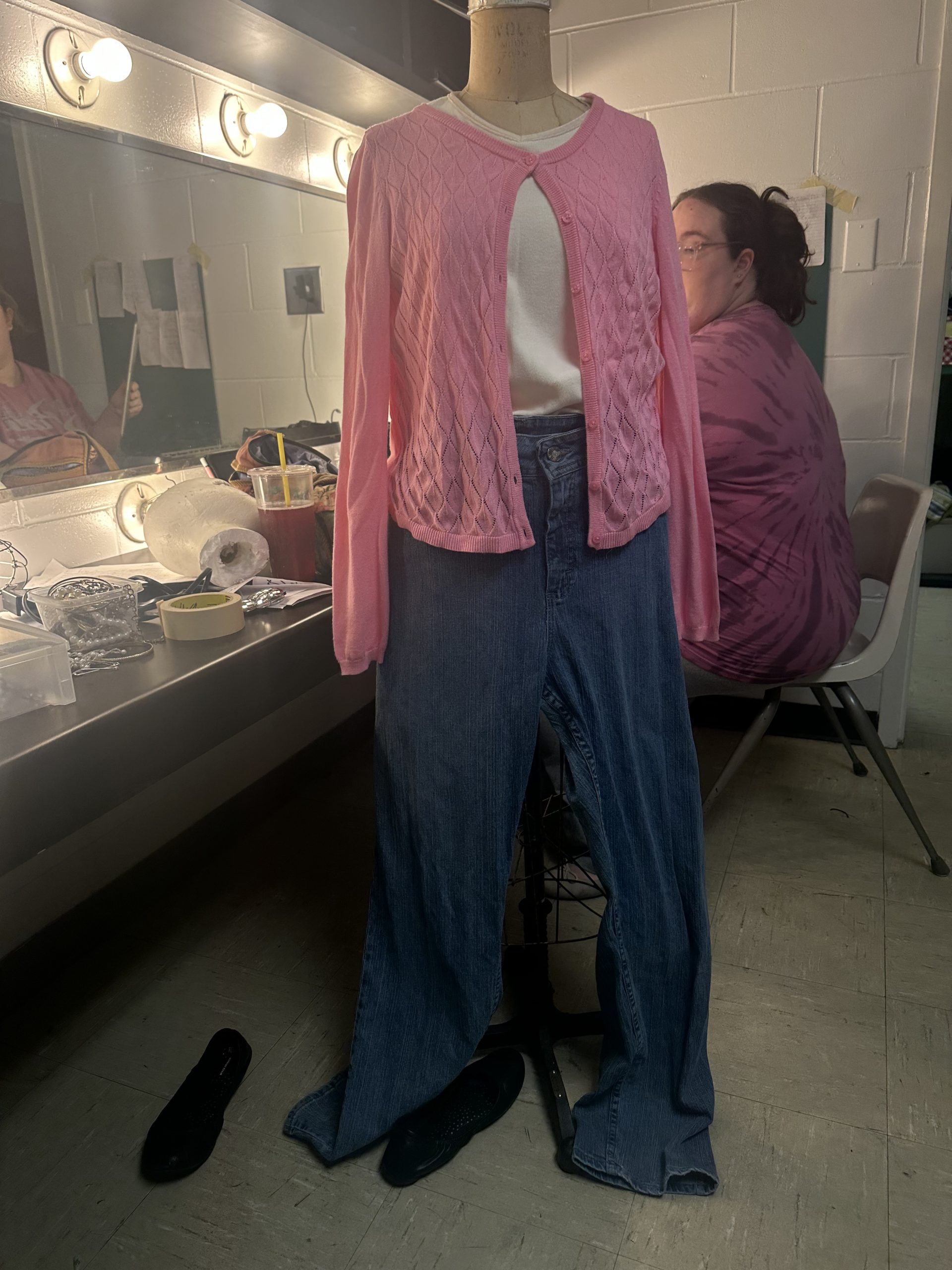
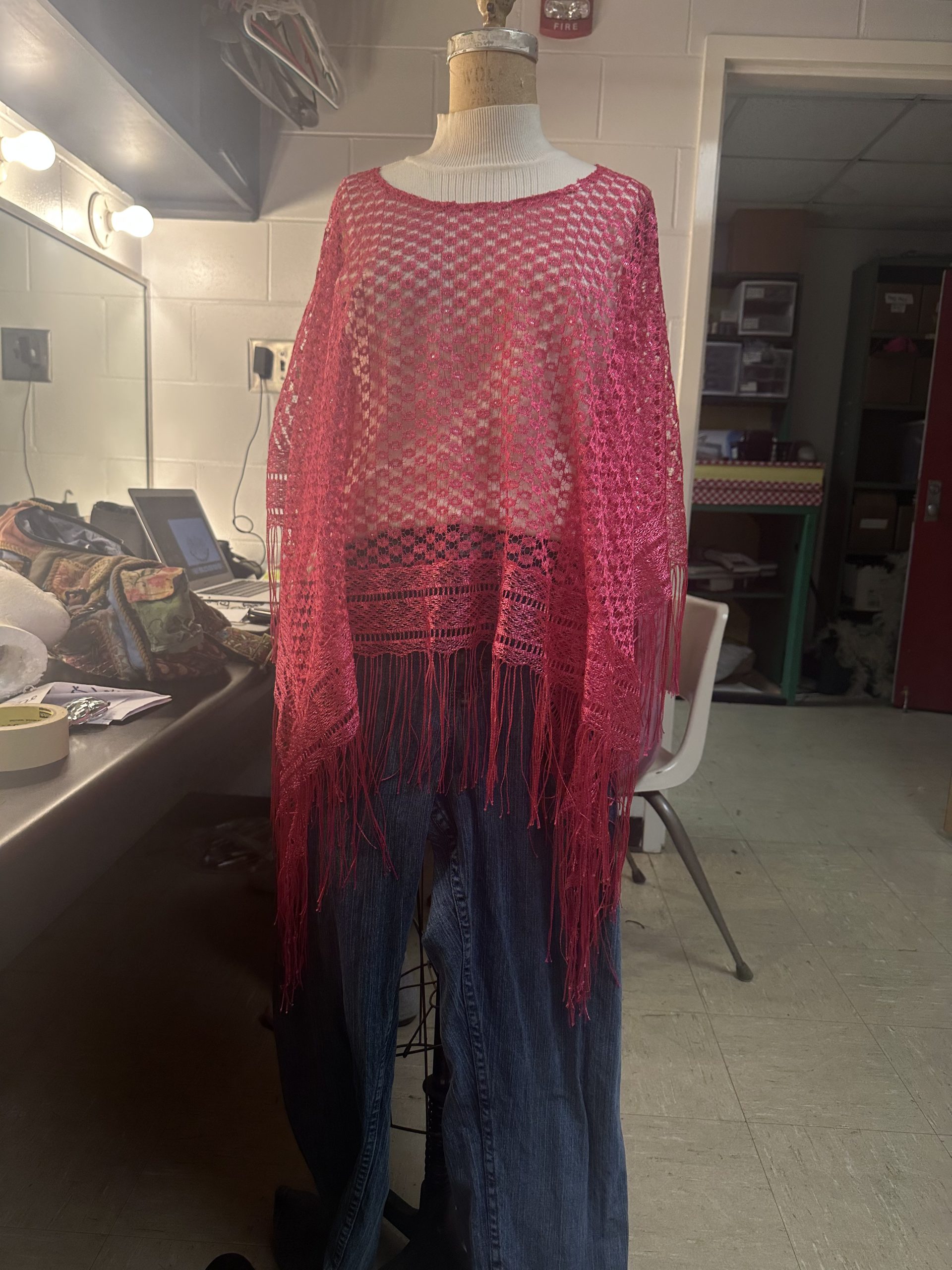
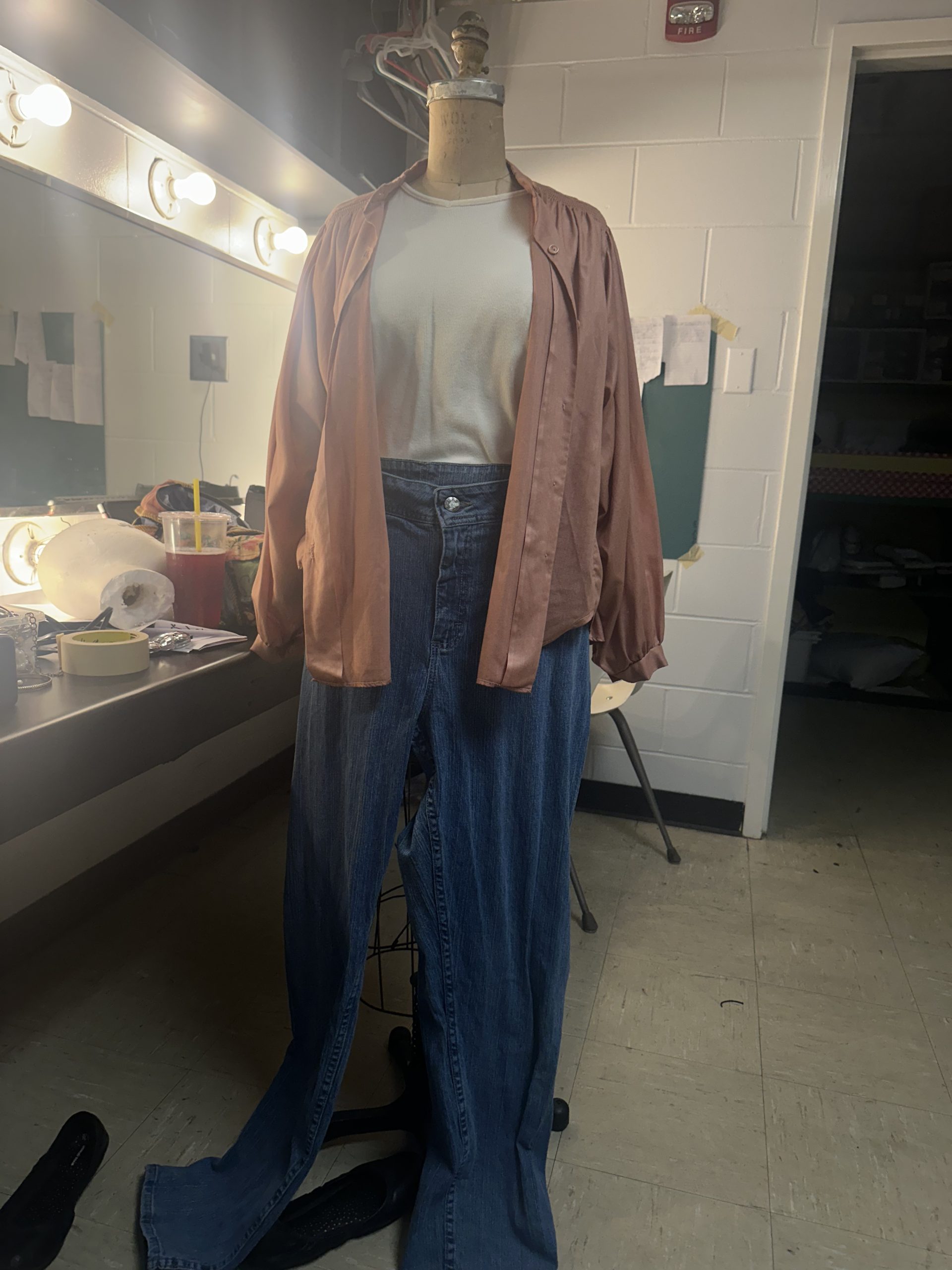
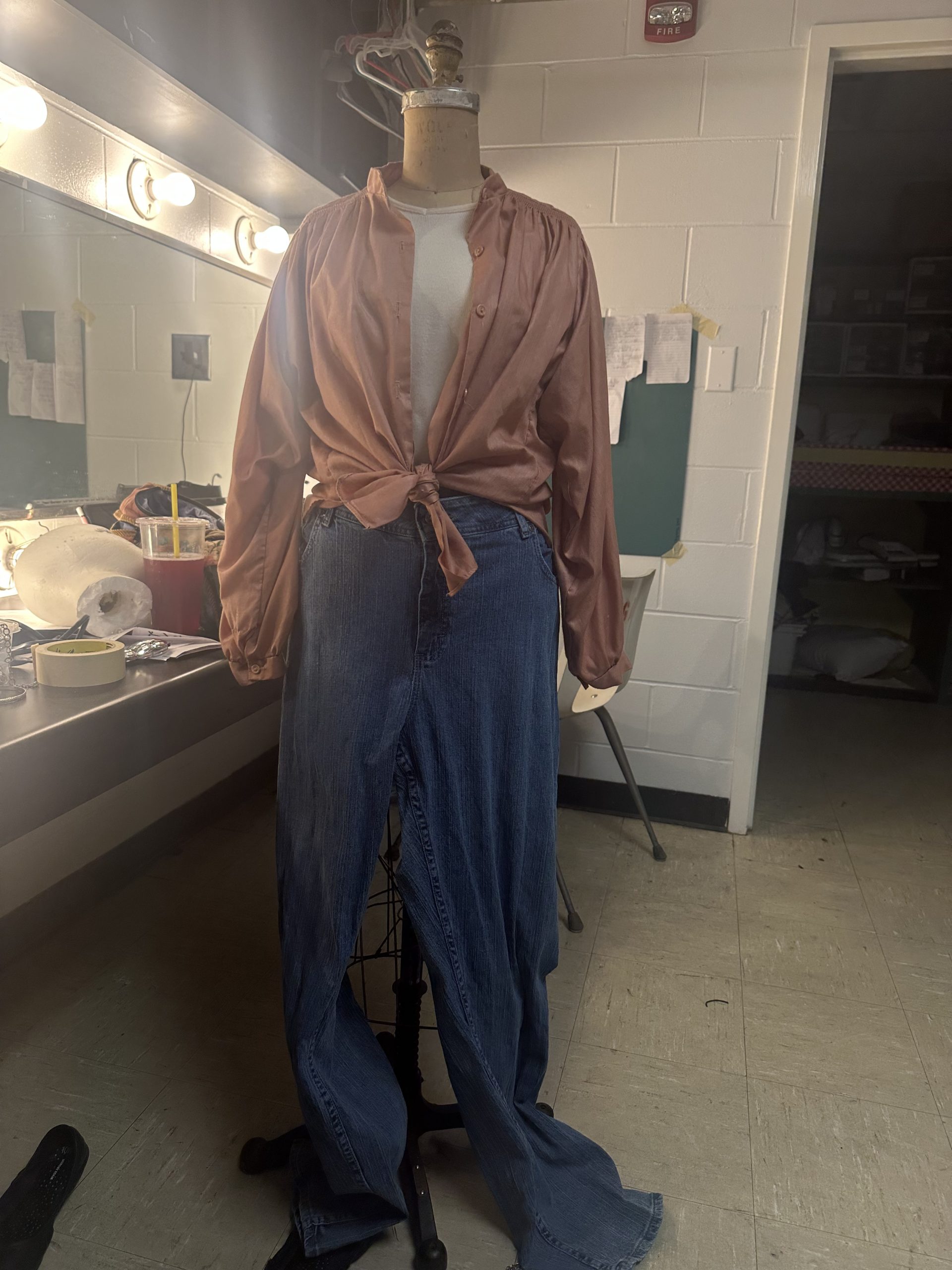
Trial Costumes for Georgina (Business Ideas)
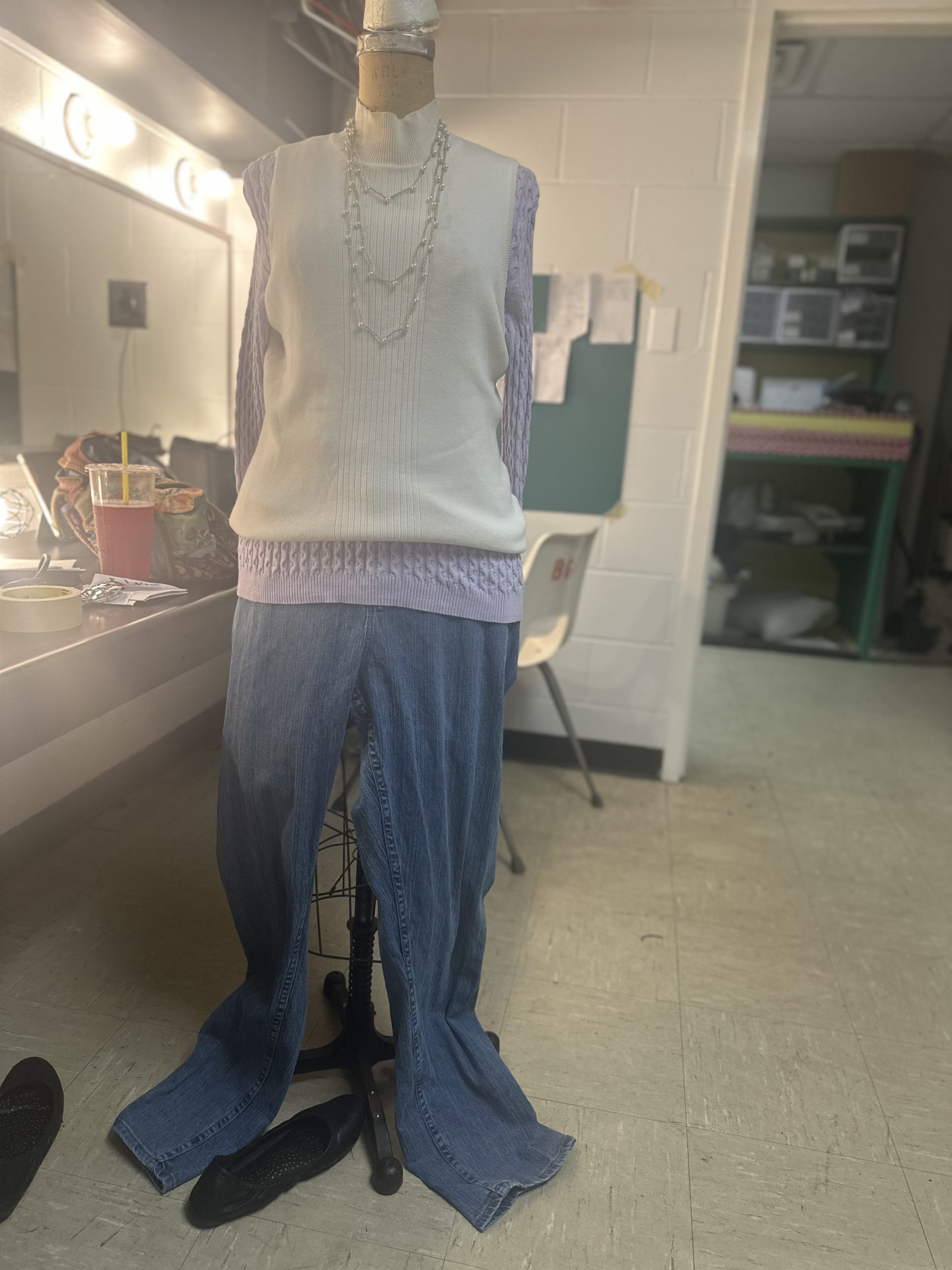
This initial exploration of costumes was primarily aimed at capturing the essence of the character using the garments we had available in our closet. While none of these options were selected or passed the final review by the directors, this process allowed us to clarify our vision for the character, particularly our desire for neck coverage and a layered look.
In this second round of costuming, I aimed to adhere more closely to the original color palette featuring light pinks, whites, and blues. In the final image, I attempted to merge the purple sweater from above with the cardigan choice, but unfortunately, it appeared frumpy and washed out our actress.
The third pass explored cover-up options while staying true to the character’s essence. The first image showcased a strong choice with its texture and vibrant color, but under stage lights, it appears more like soft pink than the intended hot pink. The second image aimed to reflect Georgina’s free spirit and youth. Ultimately, the last picture emerged as a breakthrough, featuring a jacket in the ideal color with a subtly vintage aesthetic in its stitching.
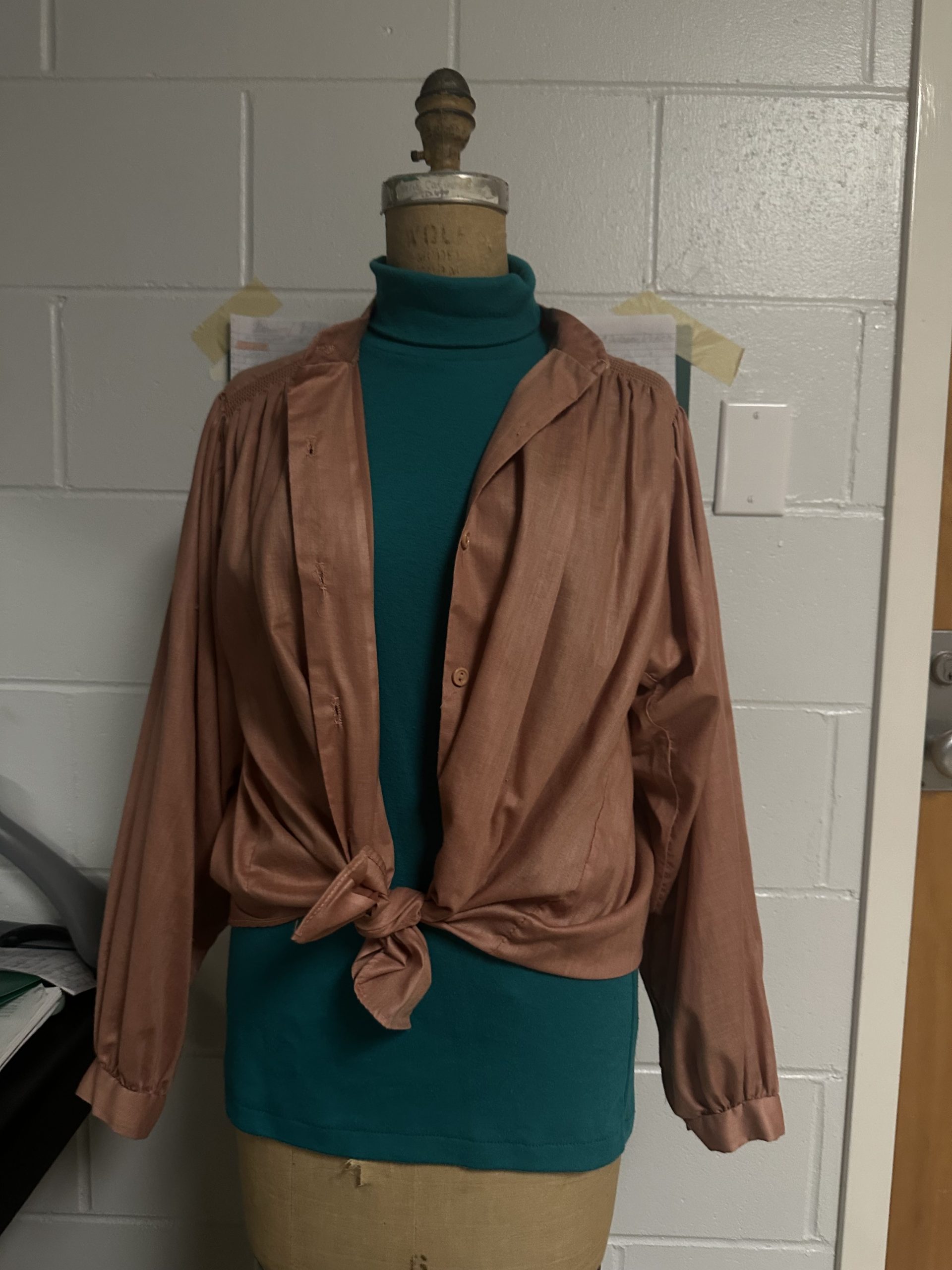
In this final fitting, we dressed our actress in the purple sweater and initial pants to verify the size. After confirming a good fit, we switched to the dark wash version shown in the second image. There, I paired the selected pants with the chosen cover-up and explored various turtleneck options from the costume closet, ultimately choosing a turquoise one for its striking contrast with the pink cover-up.

Finished Costume for Georgina (Business Ideas)